Something to put in a family's hands.
for bereavement coordinators, aftercare leads, funeral directors, grief counselors, chaplains, and veterinary teams
You already do the hard part: you are in the room. What you can rarely give a family is something that keeps working after the visit ends. HELD is a set of grief companion cards — one steadying, research-backed idea on each card, four suits (GROUND, FEEL, REMEMBER, TEND), made to live on a nightstand. Every card also opens a free, permanent online room: the idea behind the words, a small practice, the sources, and a place to light a candle. No account, no app, nothing to sign up for.
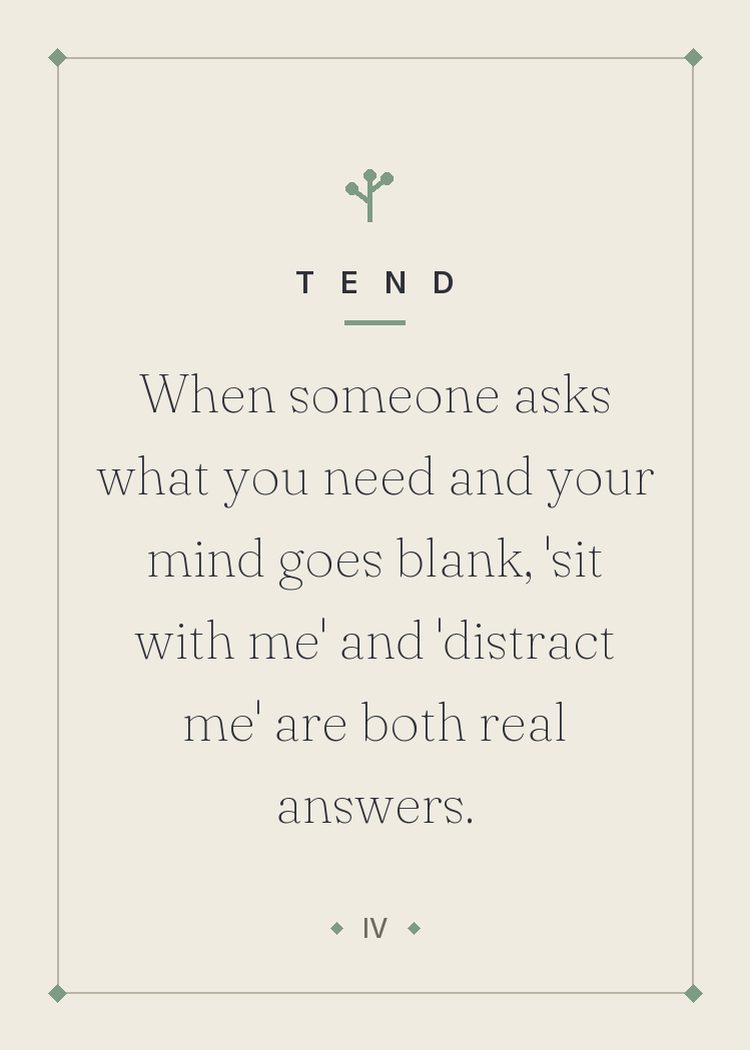
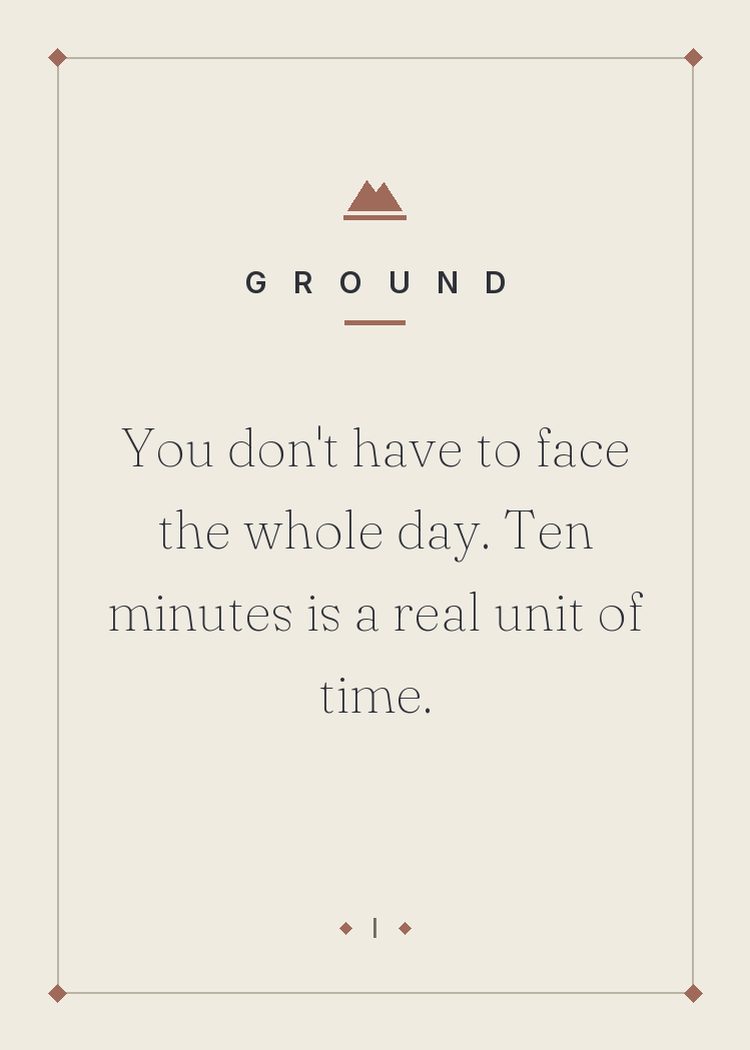
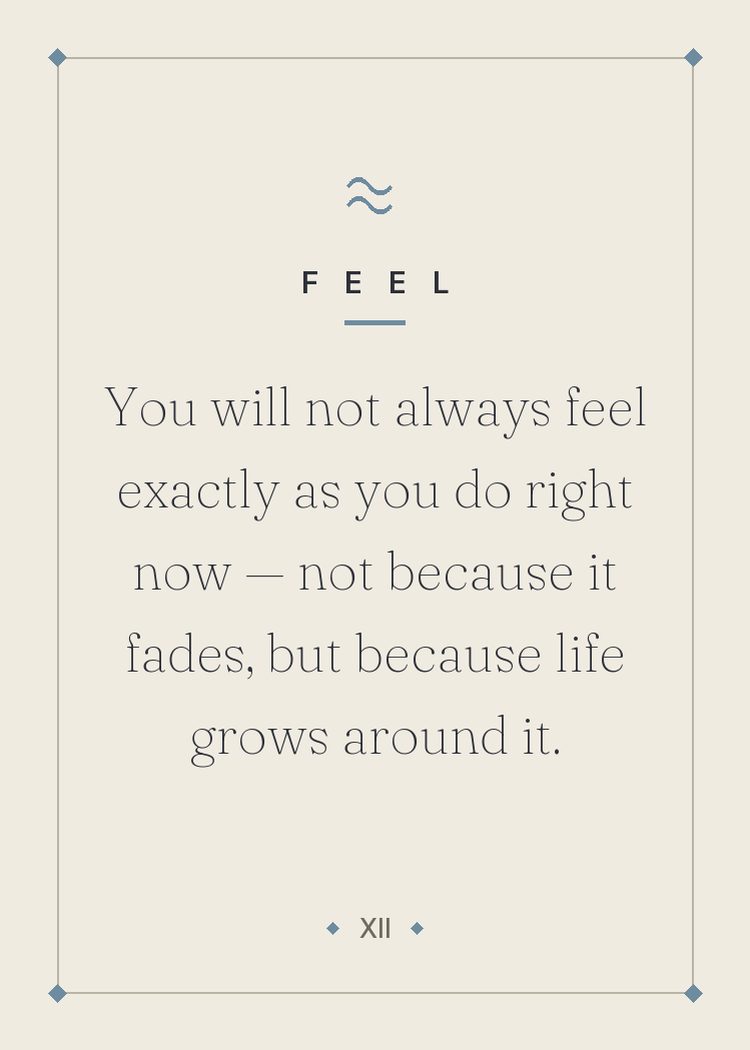
Paper, and a quiet room
What a program receives is paper: the cards, in a box, for a family to keep. The small square on the back of every card opens that card's quiet room at held.press — the card's own text, its practice, its sources, a candle to light, and 988 first. No account. No app. Nothing is asked of the family, and nothing about them is kept.
No synthetic presence by default. Kelly — our disclosed synthetic teacher, who reads the cards aloud on the consumer site — does not read, greet or talk in a program's rooms unless the program asks for it in writing. A coordinator's "no" removes a feature, never the cards.
What the QR opens, exactly:
- the card's text, as printed, and the one idea it teaches
- a practice a person can do tonight, in plain words
- the sources behind the idea — every attribution checked
- a candle to light, anonymous and free
- the crisis lines, first and always: 988 in the US, findahelpline.com everywhere else
Programs that want the reading switched on say so in writing; we send a one-page sheet with screenshots of both versions with every sample.
Ask for a sample — or a case, an enrollment, an invoice
One set for your program, at no cost, yours to keep either way, with the one-page sheet and the "what the QR opens" screenshots. One form does everything on this page: a sample, a five-pack, a case, per-family enrollment, an invoice or purchase order, a conversation. We answer by email, from a person.
Three ways a program buys
$25 per family for the object, handed over — or we mail it to each family for $39, all-in.
A shelf, a waiting room, a group table, one card per client. Standard queue: allow 3–8 weeks this season. US shipping included.
Order the five Invoice / POFor programs that hand the object across a table — funeral homes, vet and crematory practices, chaplaincies, grief centres. Twenty-five of one edition to one address; cases print in the printer's bulk queue; allow 4–8 weeks; we never rush a print. With every case: a per-family "resource provided" record you can drop into the bereavement file, and your own reorder link. There is no packing slip — the parcel is unbranded.
Order the case Invoice / POSend us a name and an address — one at a time, or a monthly list — and we print one set and mail it to the family's door, unbranded, no slip. Invoiced monthly. No minimum. Cancel anytime. Each family is the order; nothing sits on a shelf.
Start enrolling familiesFor a hospice, a network or a district that wants stand codes per site, per-family records, a co-branded box and a quiet quarterly note. No price on a page; a conversation, and a written scope first.
Start the conversationOne set for one family — for a client, a colleague, a friend — is on the printed cards page. Independent bookshops and gift shops: wholesale terms are by conversation; use the form and say "wholesale".
how a set earns its placeBuilt for the moments you already have
The week the flowers stop
Aftercare and bereavement mailings usually reach a family in weeks two to four — exactly when casseroles end and texts thin out. A set of cards in that envelope is something to hold, not something to read.
The group table
One person draws and reads a card aloud. "Where does this land for you today?" Listen without fixing. Then swap. Two cards, two tellings, is a whole session opener.
After a euthanasia appointment
The pet-loss edition names the grief the world dismisses — the quiet house, the leash by the door — and gives a practice a family can do that night.
Between sessions
A client leaves with one card, not homework. If it doesn't fit their grief today, they put it back and draw another. The room is open at 2 a.m. when you are not.
Honest about what it is
- Companionship and grief literacy — not therapy. It says so on the box and in every room.
- Every room carries crisis lines first: 988 in the US, and findahelpline.com everywhere else.
- Kelly, who reads the cards aloud on the consumer site, is a disclosed synthetic teacher. She reads the reviewed text verbatim, only when someone presses play — and in a program's rooms, only if the program has asked for it in writing.
- The rooms ask for nothing: no account, no email, no tracking of who is grieving. Lighting a candle is optional and anonymous.
- Every attribution on the cards was checked against the paper it came from — including the five we got wrong and fixed. Read the evidence page.
- We pay practitioners to object. Review seats are open; the fee pays for time, not approval. Apply to review.
- Printed on demand, never rushed; no packing slip — the parcel is unbranded. Checkout ships to US addresses for now; the rooms are free everywhere.
Every ten sets a program buys places one
For every ten sets a program buys, we place one with a children's grief program or a school counselor — because a child who is held can learn. Tell us if there is a program near you that should receive it.
Ask for a sample How programs use the cards See all 52 grief cards